// how my brain works

I walk in, understand the problem, fix it so it runs on its own, and go solve the next one.

I’ve been an engineering tech, a UX designer, a franchise owner, a repair tech, and a teacher. Every one of those jobs taught me that the real problem is rarely the one in front of you.

Running the Design Team’s Test Account

“I had no idea how much you did here.”
My manager, during my handoff

Our design team shared an internal AWS account for testing. When managing it became too much for the person running it, I volunteered to take over, and found it was costing $5,000 a month.

  • Found the real cost.

    The $5,000 monthly bill wasn’t real work. It was orphaned resources spread across every region.

  • Built prevention.

    I cut the spend to under $100. After an abandoned tutorial cost $1,000 in one weekend, I added an onboarding guide, Slack alerts, and a model region with cheap examples people could look at instead of building their own.

  • Handed off a system, not a chore.

    It grew from 10 users to 95 over eight years, and I handed it off when I left.
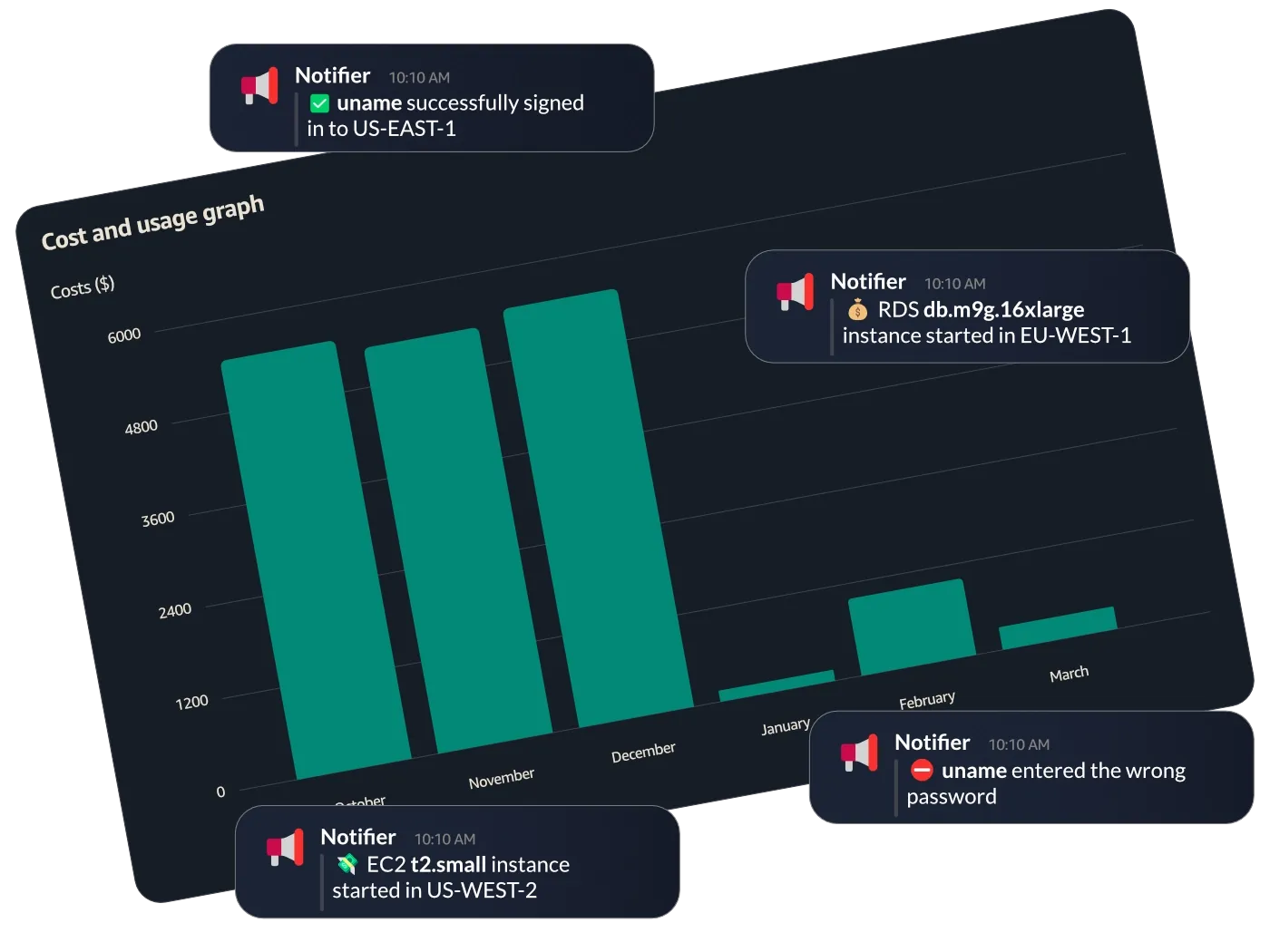
Monthly cost chart dropping from about $6,000 to near zero, overlaid with Slack alerts for sign-ins, failed passwords and new instances
Billing and notifications

My Year as a Franchise Owner

“Jeff, you are doing everything right, I don’t know why it isn’t working.”
Propelled Brands Franchise Business Consultant

In 2022 I left AWS to open a NerdsToGo franchise. I opened faster than any franchisee before me. A year later, I closed it and ultimately had to file for bankruptcy.

  • Saw the gap.

    Corporate was supporting an IT services company, but had guided me to build a computer repair storefront.

  • Leaned into what worked.

    After pivoting, revenue passed $10,000 a month, and my ops manual meant my store was one of the only ones at convention that wasn’t calling to put out fires.

  • Knew when to walk away.

    I closed at day 364 instead of borrowing more to push the inevitable back a few months. My biggest lesson: trust my own read over someone else’s playbook.

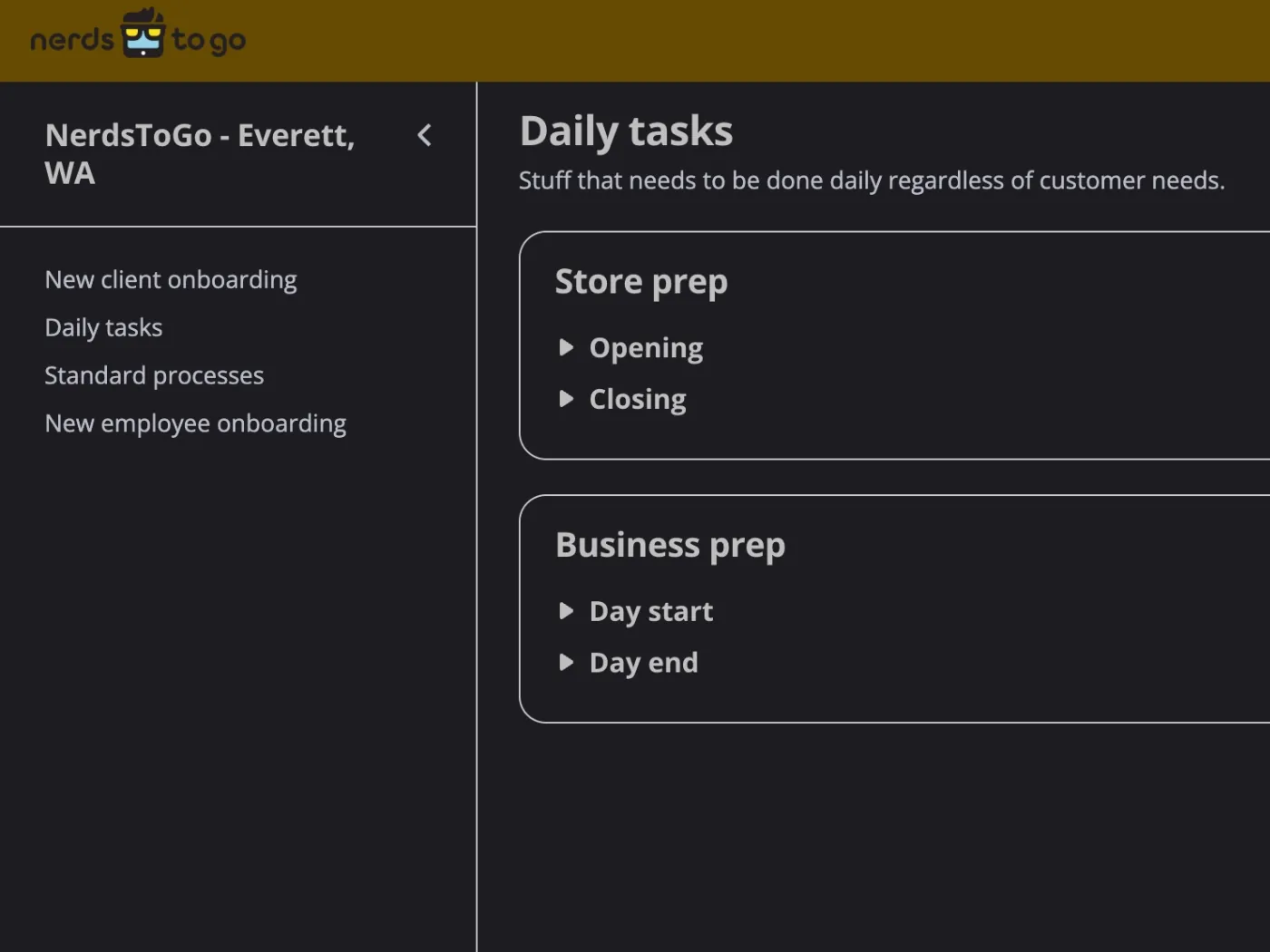
The NerdsToGo Everett ops manual, open to Daily tasks: store prep for opening and closing, business prep for day start and day end
Digital ops manual that helped the store run without me

Seven Months Running the Store

“I wish I knew this place existed a long time ago!”
What customers kept telling me

I joined PC Recycle, an e-waste recycler with a refurbished computer store, and a few weeks in I was running the store and repair shop on my own. Under my management, monthly revenue grew from around $6,000 to a consistent $10,000, and the Google rating went from 3.5 to 4.2 stars. I left for a better-paying role at a school.

  • Questioned the bottleneck.

    A bench test taking 30 minutes to 4 hours per refurb had found zero defects in 100 runs.

  • Made the case with data.

    Leadership agreed to drop it, which saved about a day on every 100-laptop batch.

  • Left processes behind.

    My marketplace posting routine kept bringing in customers, and another employee took it over when I left.

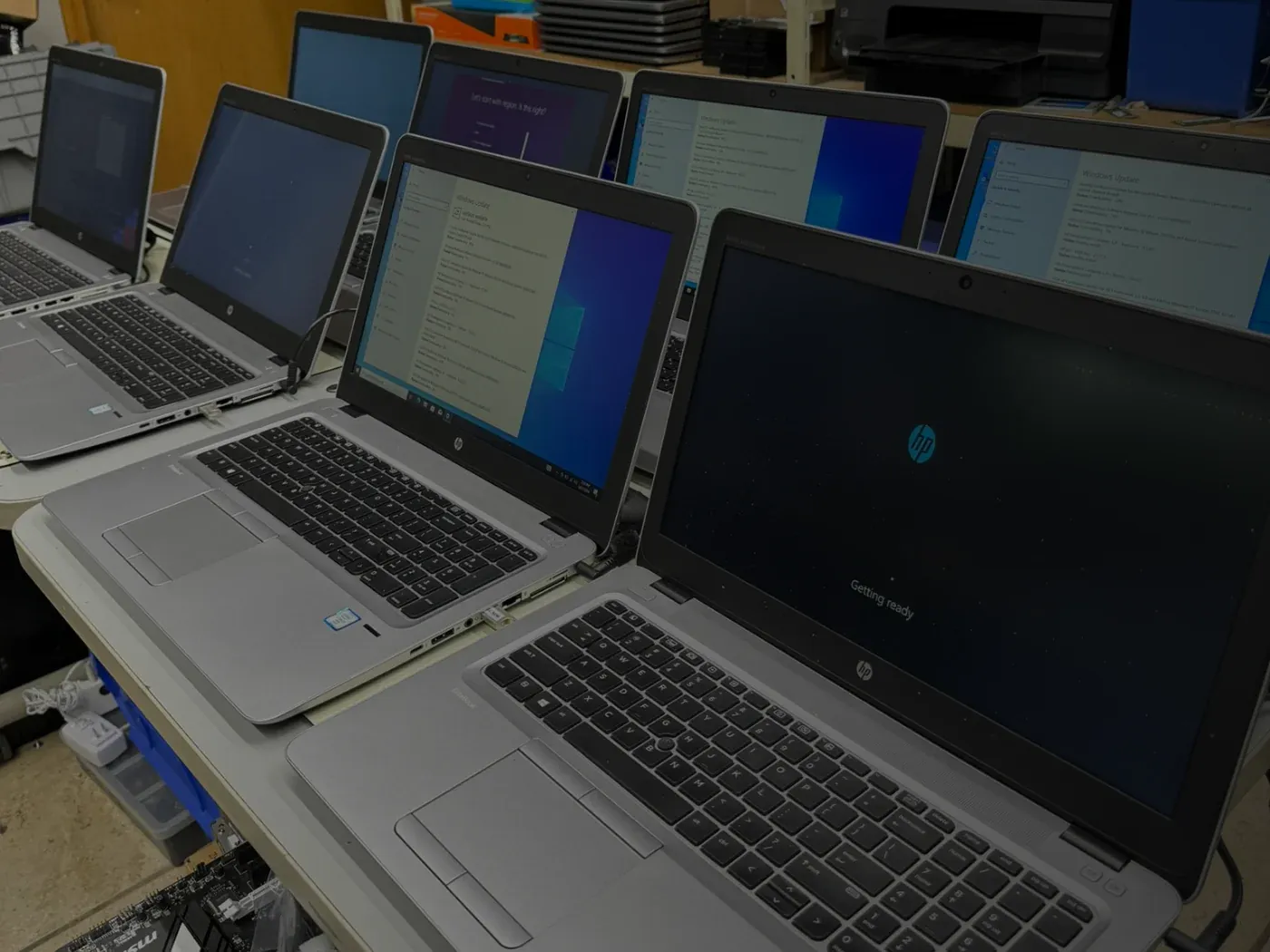
A row of refurbished HP laptops on a workbench, mid-setup, running Windows Update and first-boot screens
100 runs, zero defects found
04 / the work I want next

The Kind of Problem I Want

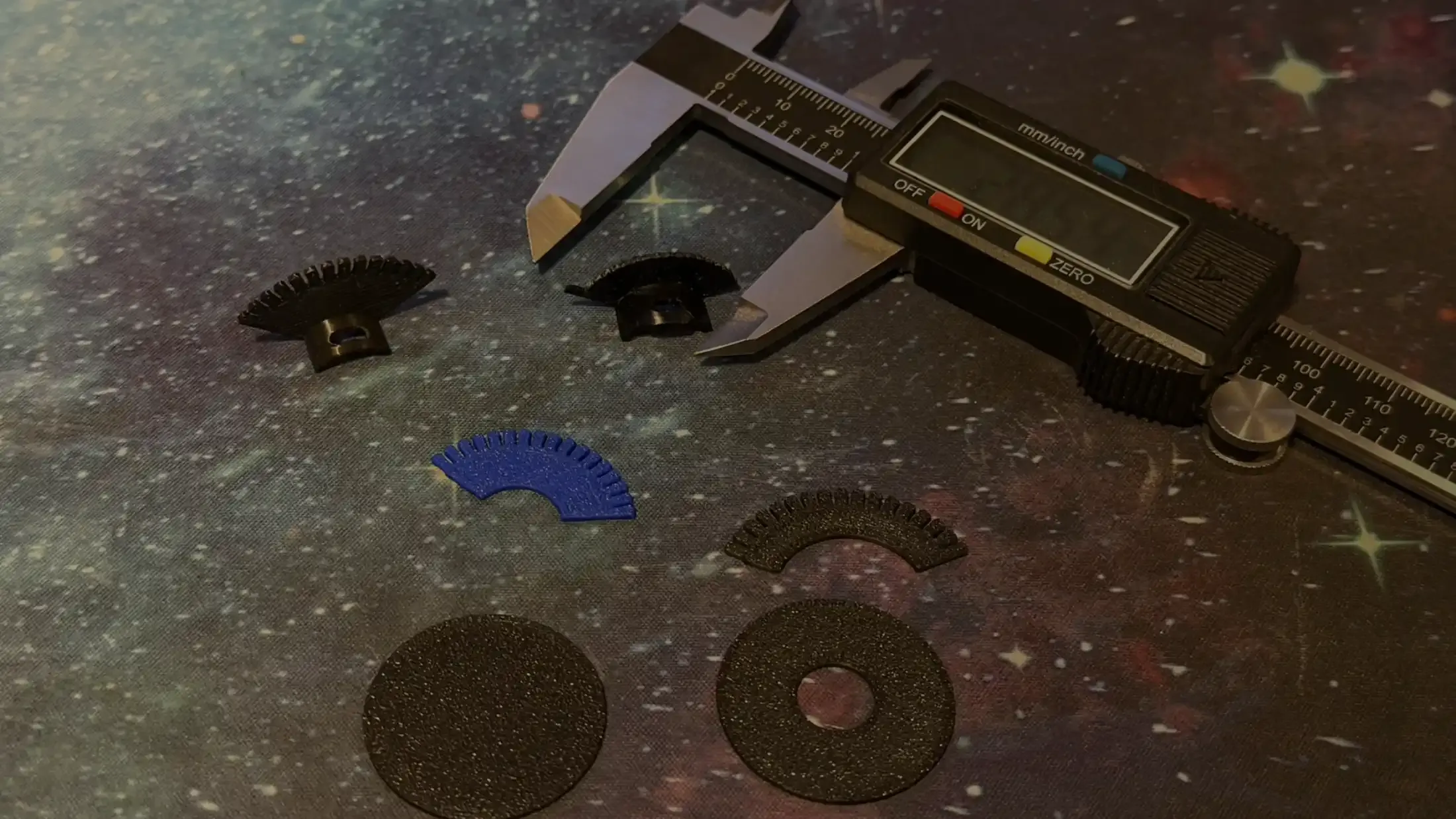
On a Saturday morning, our automatic garbage can broke, and the model had been discontinued. Two hours later it worked again, thanks to calipers, a 3D printer, an AI that helped with the gear math, and a few test prints. The last problem wasn’t my part at all: the lid relied on its own weight to close. My first full-part-print would have worked, and the machine was more forgiving than I gave it credit for.

Those two hours were pure focus: diagnose, prototype, test, repeat. That’s the work I’m looking for.

Digital calipers beside a row of 3D-printed replacement gear parts in black and blue, from early attempts to the working part
A part to reverse engineer and some test prints
Understand it. Fix it. Leave it running.